Auto Accident Injury Law Firm in New Jersey
Dedicated Legal Representation for Vehicle and Traffic Law Cases in New Jersey Safeguarding Your Rights After a Car Accident. 212-540-HURTFREE CONSULTATION
If you are involved in a car accident, it is essential to work with a law firm that has extensive experience managing auto accident claims. Whether the case is minor or complex, The New Jersey Injury Law Firm, PLLC has a strong background in successfully handling these matters.
The Vehicle and Traffic Law (VTL) establishes the rules for how vehicles must operate on the road, helping to protect drivers, pedestrians, and cyclists alike. In personal injury cases arising from traffic accidents, having a clear understanding of these laws plays a critical role for both victims and their attorneys. This detailed overview highlights key elements of VTL, with a focus on how these regulations apply to injury claims and what individuals should know when pursuing fair compensation.
What is Vehicle and Traffic Law?
Vehicle and Traffic Law (VTL) is the body of regulations that governs the operation of motor vehicles and other forms of transportation on public roads. In New Jersey, these laws address areas such as driver licensing, vehicle registration, traffic signs and signals, safe driving practices, and the responsibilities of drivers, passengers, pedestrians, and cyclists. The main purpose of these rules is to promote safety, minimize accidents, protect the public, and maintain the orderly flow of traffic on the roadways.
The Vehicle and Traffic Law is structured into multiple parts that deal with:
Road signs and traffic signals
Speed regulations
Driving under the influence (DUI/DWI)
Licensing and vehicle registration rules
Rights of cyclists and pedestrians
Insurance obligations for drivers
Guidelines for operating a vehicle, including turning, overtaking, and changing lanes
If you’re involved in a car accident, knowing the Vehicle and Traffic Law is crucial since breaking these rules often plays a key role in deciding fault and liability. For instance, a driver who speeds or ignores a red light may be deemed negligent and accountable for any injuries or property damage that result.
Key Components of Vehicle and Traffic Law in Personal Injury Cases
Negligence and Fault in Vehicle Accidents
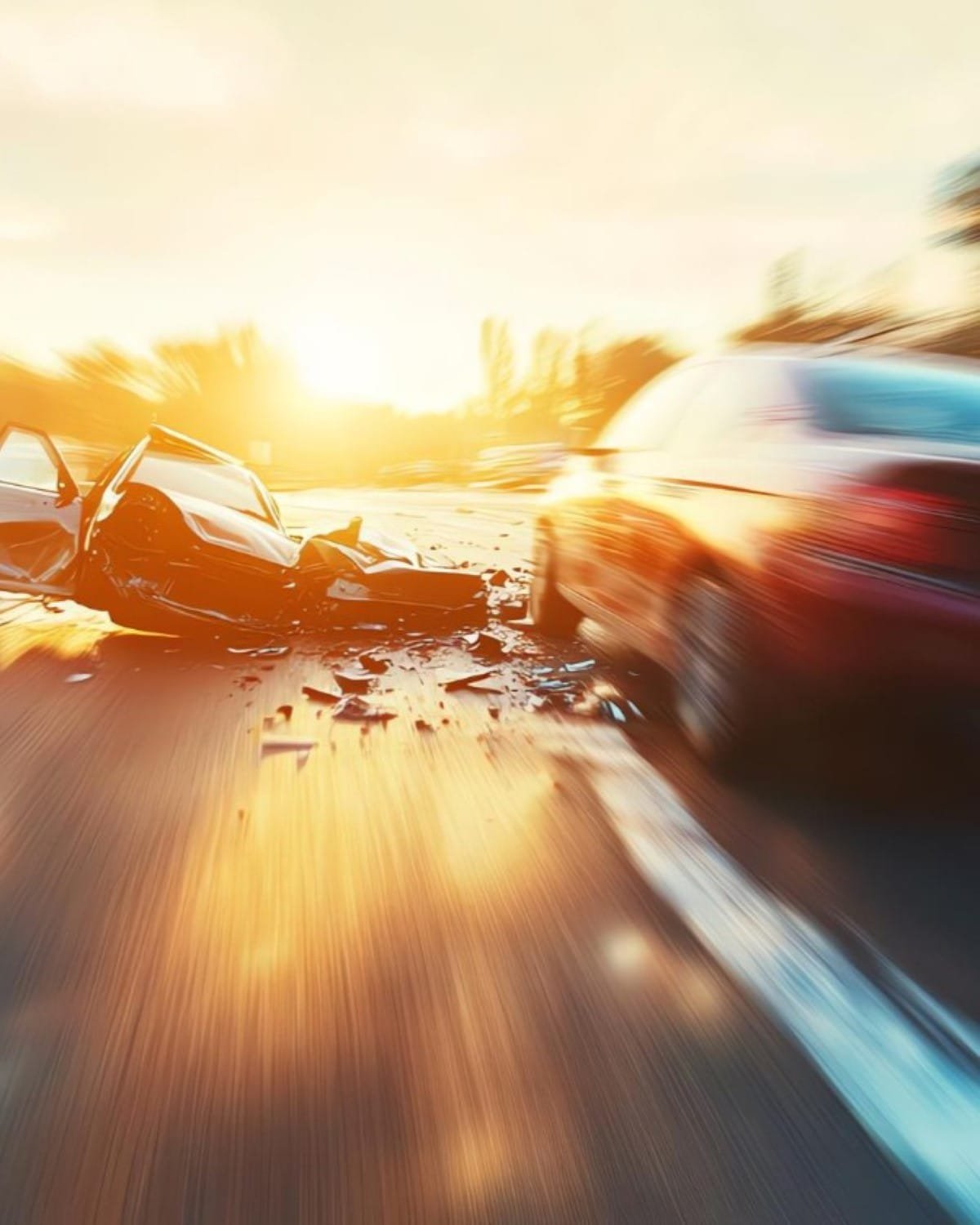
In personal injury cases, negligence means failing to use reasonable care and causing harm as a result. Vehicle and Traffic Law establishes the standards of reasonable care on the road, such as obeying signals, following speed limits, and keeping a safe distance. When a driver violates these rules and an accident occurs, they may be considered negligent.
Negligence in motor vehicle accidents can appear in several ways, including:
- Speeding: Driving above the posted limit or traveling too fast for weather or road conditions is one of the most frequent negligent acts. Excessive speed limits the driver’s reaction time and ability to respond to unexpected hazards or sudden shifts in traffic.
- Running Red Lights or Stop Signs: Ignoring traffic lights or failing to stop at designated signs is a major contributor to collisions. A driver who proceeds through a red light or neglects to yield can be found responsible for crashes caused by their disregard of traffic laws.
- Reckless Driving: This covers unsafe driving habits such as following another vehicle too closely, making abrupt lane changes, or weaving aggressively through traffic. Such behavior puts not only the reckless driver at risk but also other motorists and pedestrians.
- Driving Under the Influence (DUI/DWI): Operating a vehicle while impaired by alcohol or drugs is both unlawful and extremely hazardous. Intoxicated drivers experience slower reaction times, impaired judgment, and reduced decision-making skills, all of which significantly heighten the risk of an accident.
When it can be proven that a driver acted negligently under the Vehicle and Traffic Law (VTL), the injured individual has the right to pursue financial recovery for various losses, including medical treatment costs, income lost due to inability to work, physical and emotional pain, as well as other related damages.
Comparative Fault in New Jersey
New Jersey follows a comparative negligence system, which allows the fault to be allocated among all parties involved in an accident. If you are part of an accident, you can still claim damages even if you share some responsibility, although the amount you receive may be decreased according to your percentage of fault.
For instance, if you were hurt in an accident while speeding but the other driver did not stop at a stop sign, the court may determine that both drivers are partially at fault. If your responsibility is determined to be 20%, your compensation would be reduced by that same 20%.
In New Jersey, the state operates under a No-Fault Insurance system, which means that no matter who caused the accident, each driver’s own insurance company covers their medical expenses and certain other losses, such as lost wages, up to a set limit. This system is designed to reduce the need for lawsuits and ensure that injured individuals receive prompt compensation for their immediate medical needs.
However, No-Fault coverage has limitations. For example:
- Serious Injury Threshold: In New Jersey, if an accident results in a “serious injury” as defined by law, the injured person can step outside the No-Fault system and sue the at-fault driver for additional compensation. Serious injuries may include broken bones, disfigurement, permanent loss of use of a body part, significant functional limitations, and death.
- Property Damage: No-Fault Insurance only covers medical expenses and lost wages; it does not cover damage to vehicles or other property. To address property damage, you would need to file a claim with the at-fault driver’s insurance or, if you are the at-fault driver, your own liability coverage.
- Uninsured and Underinsured Motorists: If you are involved in an accident with a driver who does not have insurance or lacks sufficient coverage to pay for your injuries, you may be able to file a claim with your own insurance under your Uninsured Motorist (UM) or Underinsured Motorist (UIM) coverage.
Speed Regulations and Traffic Control
Speed regulations and traffic control devices are essential components of New Jersey traffic law. Drivers are required to follow posted speed limits, which are determined based on the type of road and surrounding area, and they must also obey traffic lights and road signs. Ignoring these rules is considered a violation of traffic law and can serve as a basis for a personal injury claim.
- Speed Limits: Exceeding the speed limit is a leading cause of accidents and is treated seriously under New Jersey traffic law. Speed limits vary depending on the area, such as school zones, residential streets, and highways. Driving above the posted limit can worsen the impact of an accident and may be used as evidence of negligence.
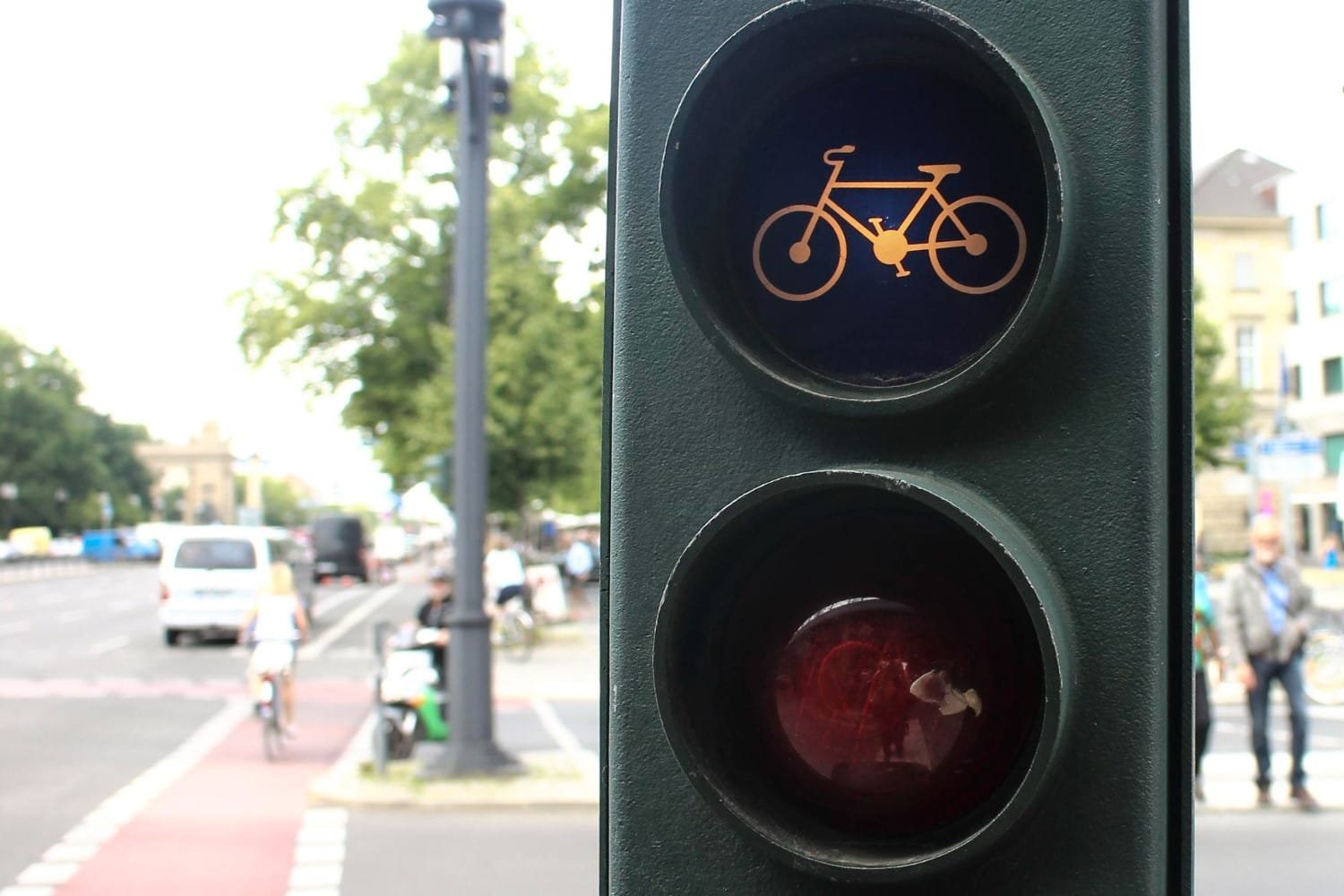
- Traffic Signals and Stop Signs: Failing to stop at a red light or ignoring a stop sign is a direct violation of traffic rules and a common cause of accidents, especially at intersections. Drivers must always stop and wait for the green light before continuing.
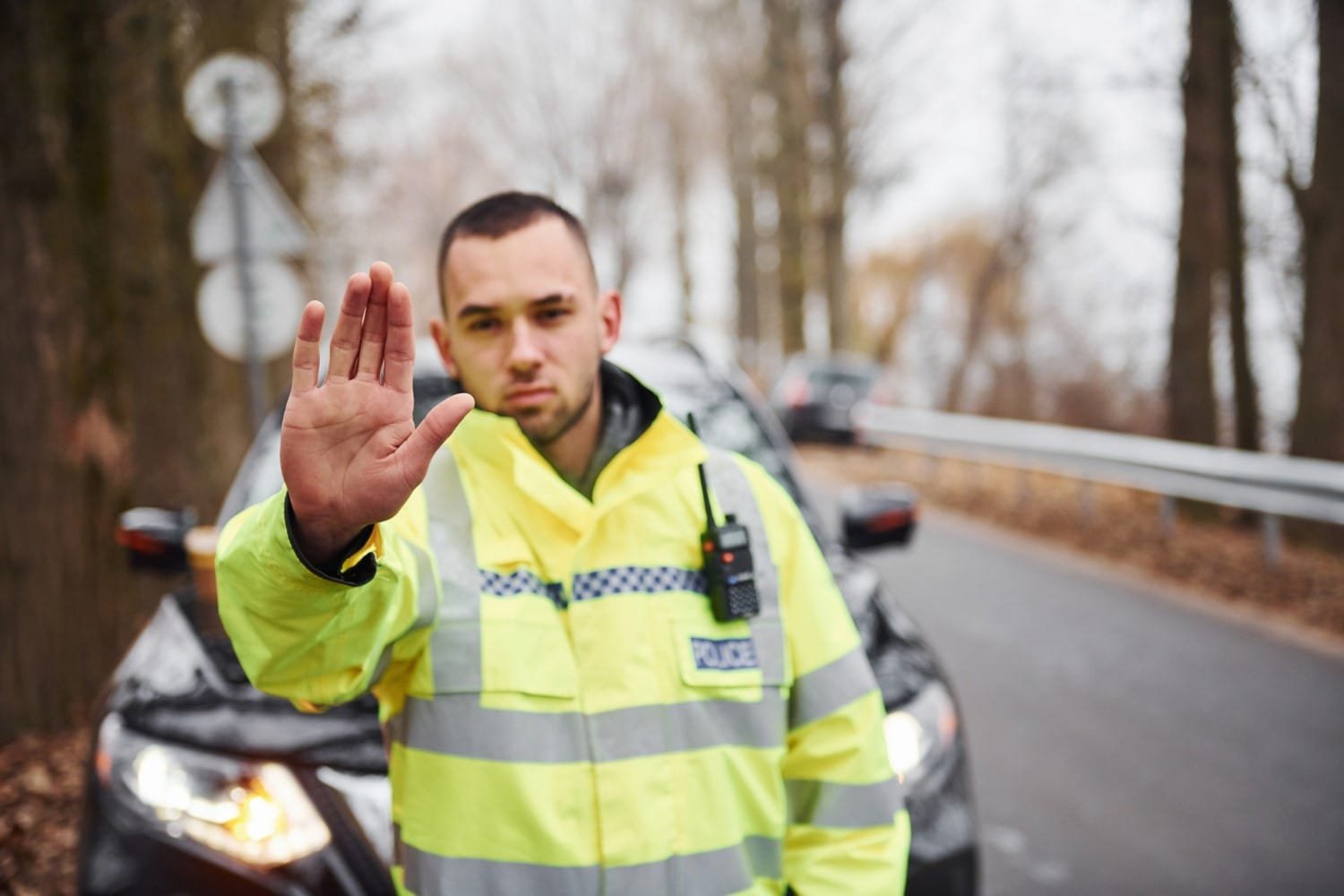
Frequent Vehicle and Traffic Violations That May Result in Personal Injury Claims
Running a Red Light: Ignoring a red traffic signal at an intersection, which can cause a collision.
Failing to Yield the Right of Way: For instance, a driver who does not yield when turning left or merges into traffic incorrectly.
Reckless Driving: Performing dangerous maneuvers such as weaving through traffic or tailgating.
Driving Under the Influence (DUI/DWI): Operating a vehicle while impaired by alcohol or drugs, leading to accidents.
Distracted Driving: Engaging in activities like using a mobile phone, eating, or other distractions that result in accidents.
Speeding: Driving over the posted speed limit, reducing reaction time and increasing the severity of potential collisions.
Ignoring Traffic Signs and Signals: Failing to obey stop signs, speed limits, or other posted traffic regulations.
How a Personal Injury Attorney Can Assist with Your Vehicle and Traffic Case
If you have been injured in a car accident or another vehicle-related incident, understanding the relevant vehicle and traffic laws is crucial for pursuing a successful personal injury claim. A personal injury attorney can help in several ways:
Investigating the Accident
Collecting evidence such as police reports, witness statements, and accident reconstruction to determine fault.
Handling Insurance Matters
Managing communication with insurance companies and negotiating settlements on your behalf.
Filing a Lawsuit
If needed, initiating a lawsuit and representing you in court to obtain fair compensation for your injuries.
Assessing Damages
Assisting in calculating the full scope of your damages, including medical expenses, lost income, pain and suffering, and future medical care.
Reach Out to a Skilled Personal Injury Attorney
If you or a family member has been injured in a vehicle accident and a traffic law violation may have played a role, it is important to contact an experienced personal injury attorney promptly. An attorney knowledgeable in vehicle and traffic law can help protect your rights and ensure you receive the compensation you deserve. Acting quickly is especially important in cases with complex legal issues or multiple parties involved.
Contact us today for a free consultation to review your case and learn how we can assist you in navigating the legal aspects of vehicle and traffic law.
Additional Personal Injury Cases We Can Assist You With
Premises Liability
Slip and Fall Accidents · Trip and Fall Accidents · Snow and Ice Accidents · Uneven/Unlevel Sidewalk Accidents · Tree Root Lifting Sidewalk Accidents · Fall on Debris/Garbage Accidents · Optical Confusion Fall Accidents · Missing Pavement/Brick Accidents · Negligent Security · Fight Cases · Dog Bite Cases · Elevator Accidents · Escalator Accidents · Stair Collapse Accidents · Ceiling Collapse Accidents · Defective Stairways Accidents · Fire and Safety Building Code Violations · Supermarket Accidents
Labor Law and Construction Accidents
Unlawful Distribution of Illicit and Sexual Images/Revenge Porn
Medical Malpractice
Worker's Compensation