
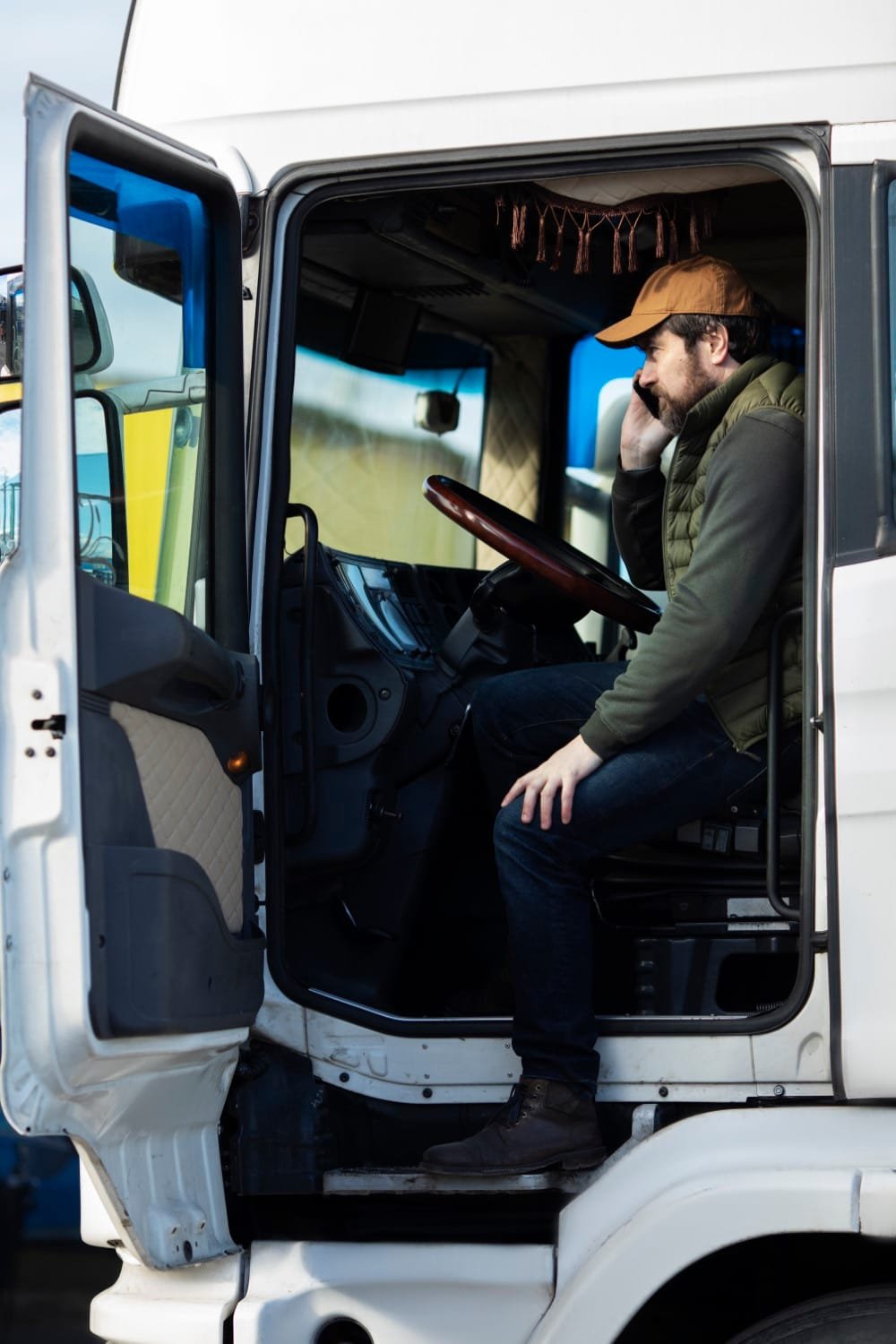
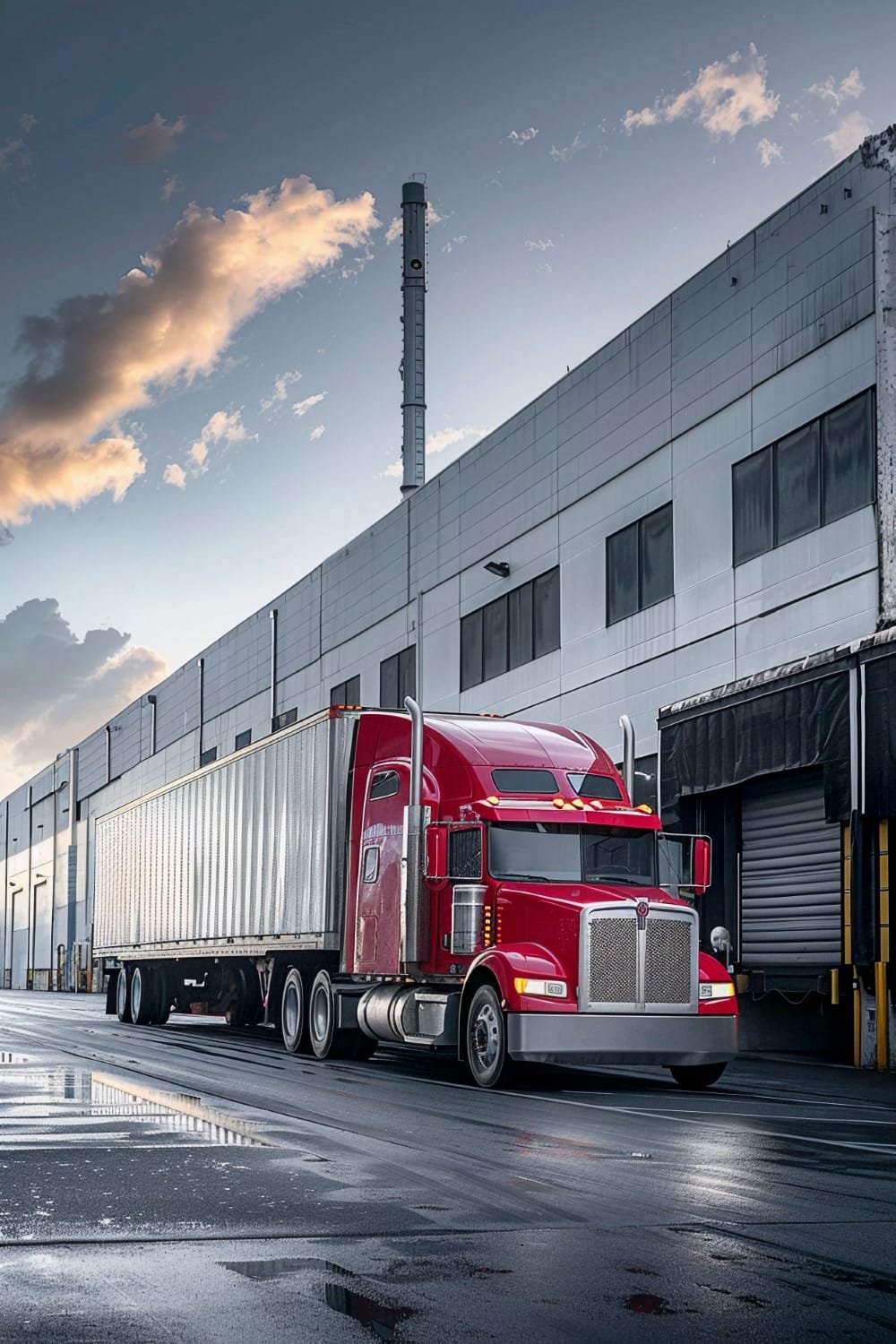
Trucking accidents can cause serious injuries, particularly when an 18-wheeler or other large commercial vehicle is involved. If you or a family member has been hurt in a trucking accident, it is important to understand the legal factors that may affect your case.
In the case of a trucking or 18-wheeler accident in New Jersey, several key legal considerations come into play. The complexity of these cases is influenced by the size and weight of the truck, the multiple parties involved, and the specific regulations governing commercial vehicles. Below are important legal aspects to consider regarding trucking accidents in New Jersey:
Determining Responsibility
In a trucking accident, multiple parties may share responsibility for the incident, including:
- Truck Driver: If the driver acted negligently, such as speeding, driving distracted, operating under the influence, or violating federal regulations, they may be held liable for the accident.
- Trucking Company: If the driver was employed by a company and the company’s policies or insufficient maintenance contributed to the crash, the company could be responsible. Liability may also apply if the driver lacked proper training or the company failed to maintain the vehicle according to safety standards.
- Vehicle Manufacturer: If the accident resulted from a defect in the truck, such as faulty brakes or defective tires, the manufacturer could face a product liability claim.
- Cargo Loaders and Shipping Companies: If improper loading or securing of cargo contributed to the accident, the company responsible for the cargo could be found at fault.

Insurance Coverage
New Jersey requires all vehicles, including commercial trucks, to carry insurance. Coverage for trucking accidents is generally higher due to the potential for serious damage and injury. Minimum coverage limits depend on the truck’s weight and the type of cargo:
- Federal Regulations: Under the Federal Motor Carrier Safety Administration (FMCSA), trucks operating in interstate commerce must carry at least $750,000 in liability coverage for most vehicles. Trucks transporting hazardous materials may require coverage up to $5 million.
- State Insurance Requirements: New Jersey also mandates proper insurance for commercial vehicles, with the state’s minimum liability limits applying in addition to federal requirements.
Contributory Negligence and Comparative Fault
New Jersey follows a comparative fault system. If a driver, passenger, or pedestrian is partly responsible for an accident, they can still recover damages, but their award will be reduced by their share of fault. For instance, if a truck driver runs a red light while another driver was speeding, liability may be shared. If the truck driver is 70 percent at fault and the other driver 30 percent, the damages awarded will decrease by the 30 percent attributed to the other party.
Truck Driver Regulations
Truck drivers in New Jersey must comply with FMCSA rules, which cover:
- Hours of Service: Drivers are limited in the number of hours they can operate each day and week to prevent fatigue. Violations may increase liability.
- Drug and Alcohol Testing: Drivers undergo regular testing, particularly after accidents. Being under the influence can heavily influence liability.
- Driver Qualification: Drivers must be licensed and properly trained. Inadequate qualifications can result in liability for the trucking company.
Truck Maintenance and Inspections
Commercial trucks must be regularly maintained and inspected under state and federal rules. Accidents caused by neglected maintenance, such as worn tires, malfunctioning brakes, or defective lights, may result in liability for the trucking company or maintenance provider. Companies that fail to maintain records or have a history of neglect may be found grossly negligent.
Statute of Limitations
In New Jersey, the statute of limitations for personal injury claims from trucking accidents is generally three years from the incident date. Victims have this period to file a lawsuit. Different rules may apply if a government entity is involved or if the claim concerns property damage rather than personal injury.
Federal vs. State Jurisdiction
Trucking accidents in New Jersey are governed by both state and federal laws. State law regulates insurance, liability, and personal injury claims, while federal regulations, such as FMCSA rules, dictate operational requirements for commercial trucks. Navigating both systems can complicate accident cases.
Trucking Accident Investigations
Determining the cause of a trucking accident often requires a detailed investigation, which may include:
- Event Data Recorders: Modern trucks have black boxes that record speed, braking patterns, and risky driving behavior.
- Accident Reconstruction: Specialists may recreate the crash considering truck speed, braking, and impact angles to determine fault.
- Witness Testimony: Eyewitnesses, traffic cameras, and police reports provide crucial evidence for liability determination.
Settlement vs. Trial
Many trucking accident cases are resolved through settlement due to litigation costs and high insurance coverage. Some cases go to trial, especially when injuries are severe or fault is disputed. Negotiations involve the victim’s attorneys, insurance companies, and sometimes defense counsel for the trucking company or driver.
Conclusion
Trucking accidents in New Jersey present unique legal challenges due to the size and hazards of commercial vehicles. Determining liability requires examining driver conduct, company policies, and vehicle maintenance. Victims should seek experienced attorneys familiar with state and federal regulations to secure fair compensation.
Why Choose Us?
If you have been injured in a trucking accident, our team of New Jersey personal injury attorneys is ready to help you obtain the compensation you deserve. We have the expertise to investigate, negotiate, and advocate for your rights.
Contact us today for a free consultation and let us assist you in taking the next steps toward recovery.
Get Legal Assistance Today: Reach Out to Our Law Firm for a Free Consultation
If you have been injured in a bus or taxi accident in New Jersey, it is crucial to consult with an experienced personal injury attorney without delay. The legal issues surrounding these accidents can be complex. Contact us today for a free consultation to review your case and learn how we can guide you through the intricacies of vehicle and traffic law.