Electric/Motorized, E-bike and Scooter Accidents Injury Law Firm in New Jersey
212-540-HURTFREE CONSULTATION

Electric Scooter Accidents in New Jersey: Legal Guidance for Personal Injury Cases
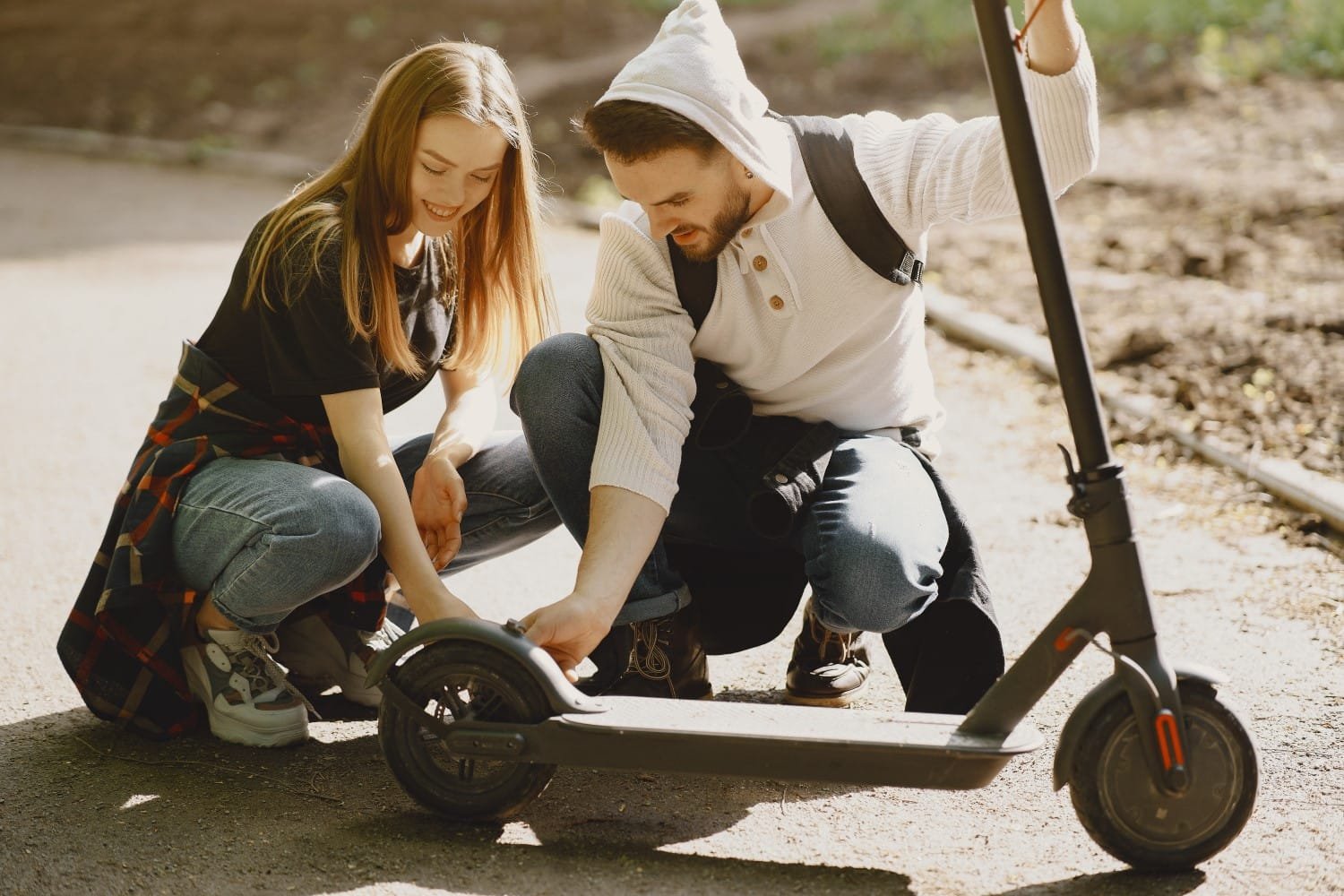
In recent years, electric scooters and mopeds have gained popularity in urban areas like New Jersey, offering a convenient and environmentally friendly way to travel. However, as their usage rises, so do the risks of accidents involving these vehicles. If you are injured in an electric scooter or moped accident in New Jersey, understanding how the law classifies these vehicles and how that classification affects your ability to claim benefits is essential.
Classification of Electric Scooters and Mopeds in New Jersey
In New Jersey, liability for electric scooter or moped accidents can be more complex than standard car collisions because these vehicles are often operated by private individuals or companies. Determining who is responsible depends on factors such as the cause of the accident and who was operating the vehicle at the time.
Electric Scooters:
- In New Jersey, electric scooters are usually classified as bicycles if they travel at 20 miles per hour or less and have a motor with less than 750 watts (1 horsepower).
- These scooters are generally allowed in bike lanes and on lower-speed roads if riders follow safety rules, such as wearing a helmet if under 18.
- Electric scooters typically do not require registration or insurance like motor vehicles.
Mopeds:
- A moped in New Jersey is generally defined as a pedal-equipped vehicle with a motor or a motorized scooter with a top speed of 30 miles per hour or less.
- Mopeds are classified as motor vehicles, requiring registration with the New Jersey Motor Vehicle Commission (MVC) and liability insurance.
- Operators must hold at least a Class M motorcycle license.
Motorcycles:
Vehicles with higher engine capacity and speed may be classified as motorcycles, which involve different licensing, insurance, and safety requirements.
E-Bike Categories: Legal Rules and Practical Considerations
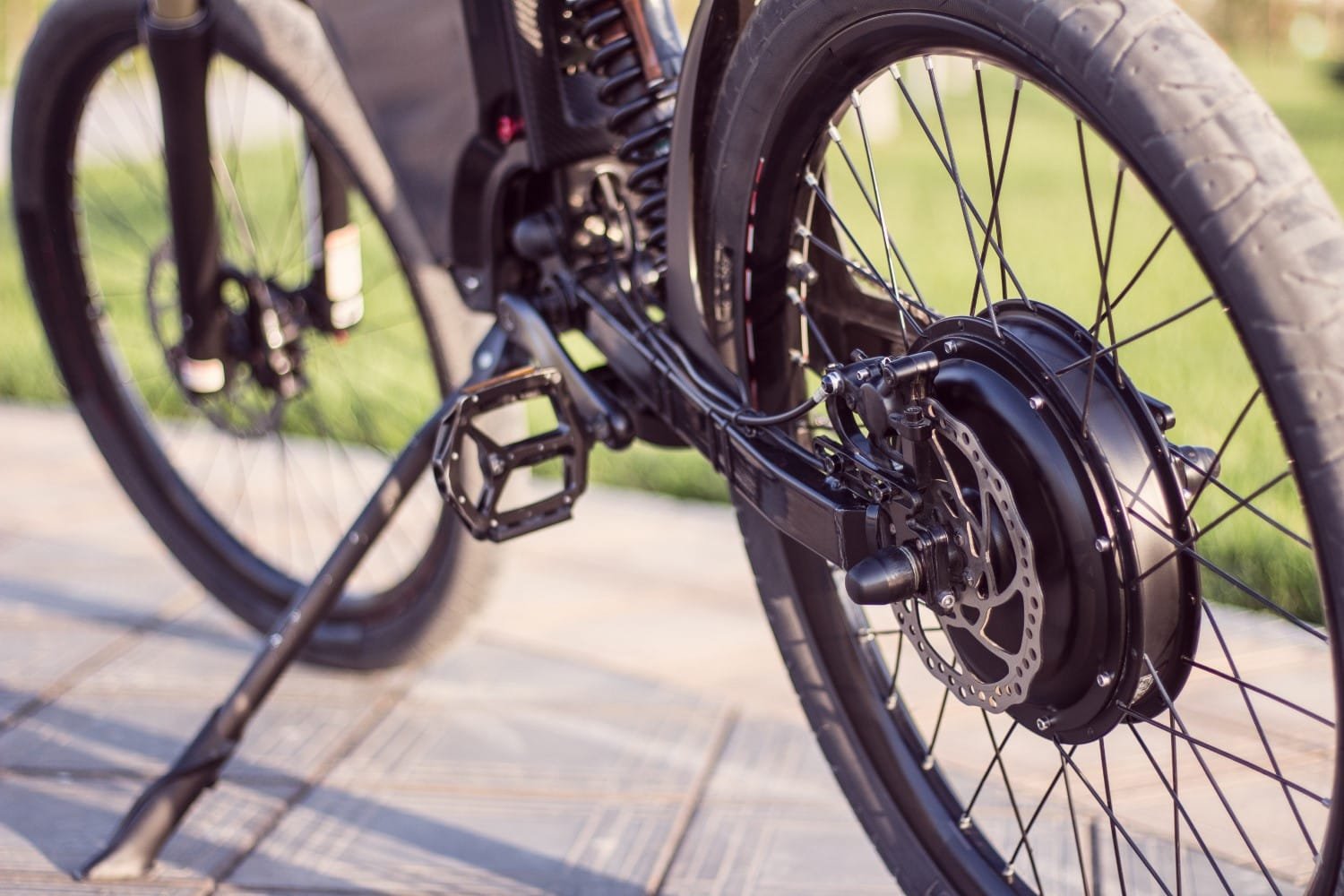
Electric bicycles have transformed urban transportation by providing an eco-friendly, efficient, and practical commuting option. Understanding the three main classes of e-bikes: Class 1, Class 2, and Class 3, is essential, as classifications influence where they may be operated, licensing requirements, and insurance considerations.
Class 1 E-Bike: Pedal-Assist Only, Maximum Speed 20 MPH
Class 1 e-bikes are built for riders who prefer a traditional biking experience while benefiting from motor assistance. These bikes provide pedal-assist exclusively, meaning the motor engages only when pedaling, helping make pedaling easier.
- Top Speed: 20 mph
- Throttle: Not included; motor operates only when pedaling
- Best For: Riders seeking a straightforward e-bike for commuting or leisure cycling without the added complexity of a throttle
Legal Notes:
- Where You Can Ride: Class 1 e-bikes are typically permitted on bike lanes and multi-use trails. In most locations, they do not require a special license or registration.
- Insurance: Class 1 e-bikes generally do not need insurance, though reviewing local rules or policies for possible coverage after an accident is recommended.
Class 2 E-Bike: Throttle Enabled, Top Speed 20 MPH
Class 2 e-bikes feature a throttle that lets the rider operate the bike without pedaling. This is ideal for individuals who prefer motor-powered travel with minimal physical effort.
- Top Speed: 20 mph
- Throttle: Separate throttle, can be used without pedaling
- Best For: Riders seeking the ease of motorized travel without pedaling, suitable for short trips or less strenuous commutes
Legal Notes:
- Where You Can Ride: Similar to Class 1 e-bikes, Class 2 e-bikes are usually allowed on bike lanes and most roadways. Certain areas may have specific restrictions on where throttle-operated bikes are permitted.
- Insurance: Insurance is not always required for Class 2 e-bikes, but local regulations may mandate coverage if the bike is used in locations that require registration and insurance for motorized vehicles.
Class 3 e-bikes are the most powerful and fastest among the three classes. These bikes provide pedal-assist and may also include a throttle, but the motor support stops at 28 mph. They are suited for riders seeking speed and efficiency, often used for longer trips or less crowded routes.
- Top Speed: 28 mph
- Throttle: Offers both pedal-assist and throttle, motor assistance ceases at maximum speed
- Best For: Experienced riders who want a bike capable of replacing a car for commuting or traveling longer distances at higher speeds without traffic delays
Legal Notes:
- Where You Can Ride: Class 3 e-bikes face more restrictive rules than Class 1 or 2 bikes. They are often prohibited on some bike paths and may require local permits or authorization to ride in parks or pedestrian zones.
- Insurance and Licensing: Depending on jurisdiction, Class 3 e-bikes may need registration, insurance, or a special license, particularly if used on public roads or in high-speed areas. Some municipalities may regulate them similarly to motorcycles, imposing additional requirements.
How E-Bike Categories Influence Personal Injury Claims
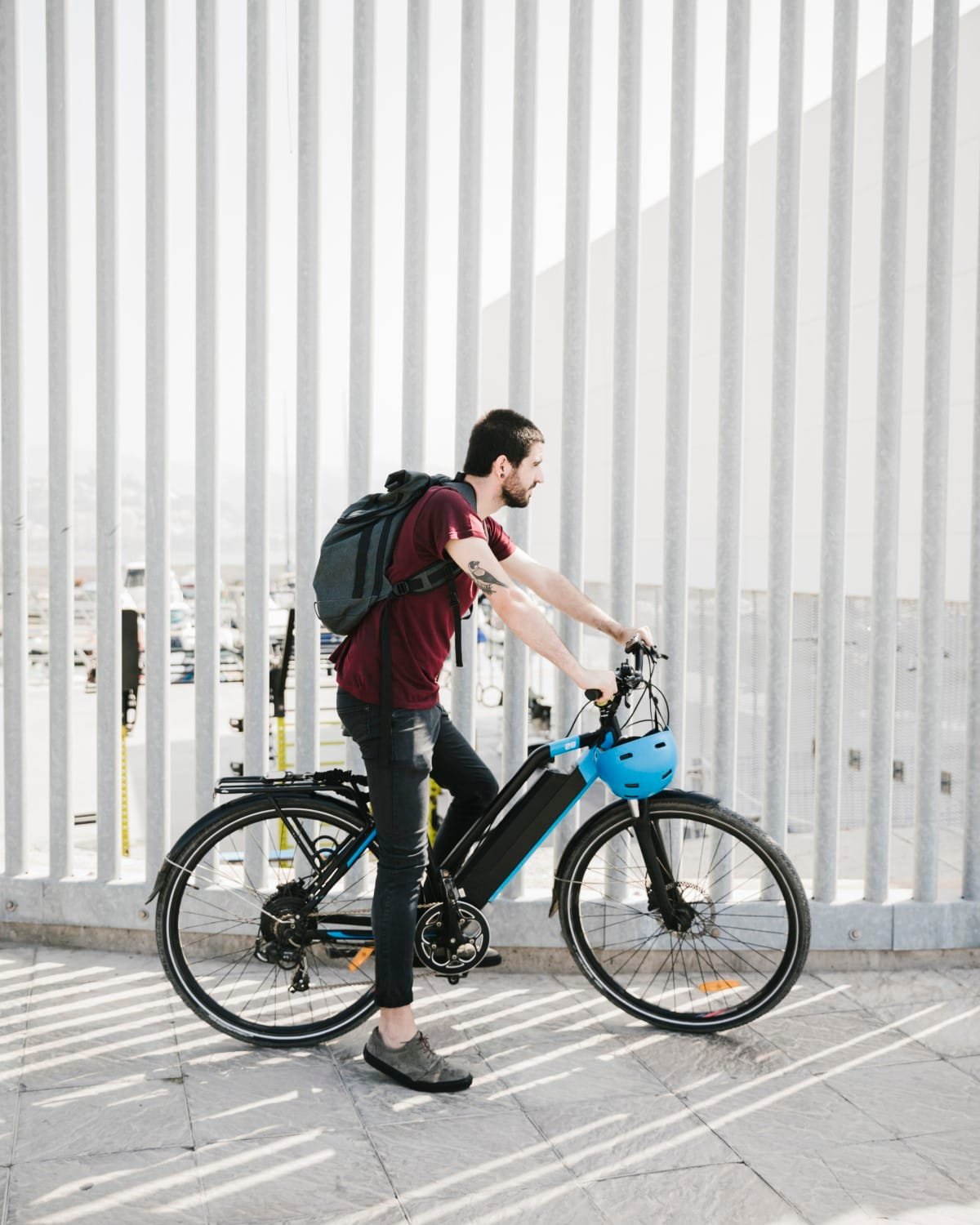
The classification of your e-bike is significant when involved in an accident, especially for personal injury claims. Riders in e-bike accidents may qualify for No-Fault benefits under New Jersey law, depending on the details of the crash and the bike’s classification.
Operating a Registered ATV on Public Roads
ATVs cannot be operated on public roads unless the road has been specifically designated and posted for ATV use, typically covering short distances between off-road trails.
Vehicles That Cannot Be Registered or Operated on New Jersey Sidewalks, Streets, or Highways
- You are prohibited from registering or operating any of the motorized devices listed below on streets, highways, parking lots, sidewalks, or other areas in New Jersey open to public motor vehicle traffic. Violators may face legal consequences.
- Mini-bike – A small motorized vehicle with two wheels intended for off-road use. A mini-bike does not qualify as a moped, motorcycle, or ATV.
- Off-road Motorcycle (Dirt Bike) – A motorcycle built for off-road trails or competitions. Unless otherwise exempt, these vehicles must be registered as ATVs.
- Go-Kart – A small four-wheeled motorized vehicle designed for off-road use. Go-karts cannot be registered as motor vehicles or ATVs due to missing required equipment.
- Golf Cart (also called Golf Car or Neighborhood Electric Vehicle) – A small motorized device with three or four wheels designed to transport people. Golf carts cannot be registered as ATVs. Low-speed vehicles resembling golf carts may be registered and used on New Jersey highways if they: meet federal motor vehicle safety standard 500 (49 CFR 571.500), have a certified maximum performance speed, and appear on the approved limited use vehicles list.
- Lawnmower – A self-propelled device operated by a person sitting or standing, originally designed primarily for cutting grass.
Get Legal Assistance Today: Reach Out to Our Law Firm for a Free Consultation
If you have been injured in a bus or taxi accident in New Jersey, it is essential to speak with an experienced personal injury attorney promptly. The regulations governing these types of accidents can be complex. Contact us today for a free consultation to review your case and learn how we can guide you through the legal intricacies of traffic and vehicle law.