

About New Jersey’s Subway System Accidents
New Jersey’s subway system is one of the busiest and most extensive in the region, serving millions of commuters daily. With such high traffic, subway accidents can and do occur. Whether you are a passenger on a subway train, a pedestrian near the tracks, or an employee working in the subway system, being involved in a subway accident can cause serious injuries, financial strain, and long-term consequences.
If you have been injured in a subway accident in New Jersey, you may have the right to pursue compensation for your injuries. Claims involving subway accidents differ from standard personal injury claims. Because the subway system is operated by a government entity, the legal process for seeking compensation is governed by municipal liability laws. This means your case may be subject to different deadlines, procedures, and requirements than typical car accidents or slip-and-fall cases.
Filing a Notice of Claim is a crucial step in pursuing a subway accident claim. In this guide, we explain the key aspects of subway accidents in New Jersey, the legal process involved, and why consulting an experienced personal injury attorney is essential to navigate these complex cases.
Common Causes of Subway Accidents in New Jersey
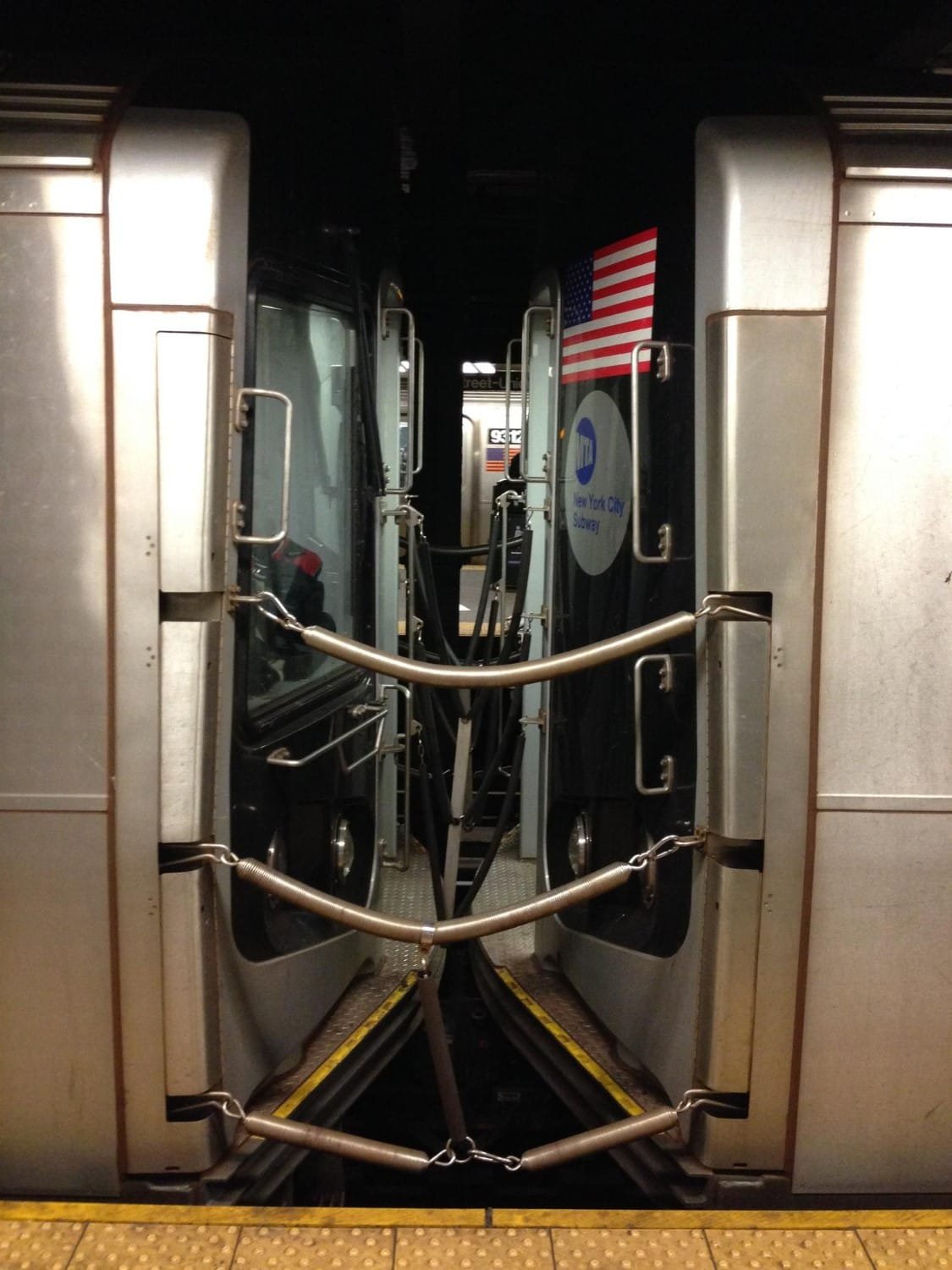
Subway accidents often result from negligence, equipment failure, or unsafe conditions. Some common causes include:
- Train Collisions: Although rare, train collisions may occur due to mechanical failure, human error, or system malfunctions, often causing serious injuries.
- Slips and Falls: Wet or uneven platforms, malfunctioning escalators, or poorly maintained surfaces can lead to slips and falls, which may result in significant injuries, particularly for older passengers or those with mobility challenges.
- Station Hazards: Overcrowding, inadequate signage, and poor design can contribute to accidents. Passengers may be injured by falling objects, malfunctioning escalators, or collisions with other commuters.
- Train Door Injuries: Faulty or improperly maintained subway train doors can trap passengers or cause crushing injuries.
- Mechanical or Electrical Failures: Subways rely on complex systems; malfunctions in brakes, signals, or other critical components can lead to accidents or derailments.
- Operator Negligence: Subway employees may contribute to accidents through distraction, fatigue, or unsafe practices.
- Third-Party Hazards: Assaults, fights, or reckless behavior in stations or on trains may also result in injuries.
How Municipal Liability Affects Your Claim
Unlike personal injury claims against private companies or individuals, subway accident claims are subject to municipal liability laws because the subway system is operated by the Metropolitan Transportation Authority (MTA), a government entity. When pursuing a claim against a government agency like the MTA, the legal process is subject to strict rules and deadlines.
1. Presenting a Notice of Claim
The first essential step in a subway-related injury case in New Jersey is submitting a Notice of Claim. This formal written document notifies the transit authority or other relevant government entities of your intention to seek compensation for your injuries. Under New Jersey law, claims against government agencies must be filed within a specific timeframe after the accident, usually 90 days. Missing this deadline can prevent you from pursuing legal action or receiving compensation.
- The Notice of Claim should include the following details:
- Full name and address of the injured person
- Date, time, and location of the accident
- Detailed description of how the accident occurred and the injuries sustained
- A clear statement of the damages being claimed
Once the government agency receives your Notice of Claim, they have a limited period to review and investigate it. They may request additional evidence or documentation to evaluate the claim. If the claim is denied or no response is received, a lawsuit must be filed within one year and 90 days from the date of the accident to preserve your right to compensation.
Acting promptly and consulting a skilled attorney is crucial, as the filing deadlines are strict and procedural rules must be followed carefully.
2. Legal Deadlines for Subway Accident Lawsuits
After submitting a Notice of Claim, if your case cannot be settled through negotiation, you may proceed to file a lawsuit against the transit authority or the responsible government agency. The deadline for filing a subway accident lawsuit differs from standard personal injury cases.
- For claims involving a government-operated subway system, the lawsuit must typically be filed within one year and 90 days from the date of the incident.
This shorter deadline is established under New Jersey’s municipal liability regulations to limit prolonged exposure of government entities to legal claims. Missing this timeframe can prevent you from pursuing compensation through the courts.

Liability in Subway Accidents: Who is Responsible?
Subway accidents may involve multiple parties, including government agencies, contractors, and sometimes private entities. Typically, the transit authority operating the subway system can be held liable for injuries caused by its own negligence or the negligence of its employees. Determining liability can be complicated due to the number of parties involved.
1. Transit Authority Responsibility
In New Jersey, the transit authority is charged with maintaining subway infrastructure, ensuring passenger safety, and keeping all equipment in proper working order. If the authority’s negligence contributed to the accident—such as failing to maintain trains, tracks, or stations—they may be held accountable for resulting injuries.
Common examples of transit authority negligence include:
- Not properly inspecting or maintaining trains, tracks, or related equipment
- Ignoring hazardous conditions on platforms or within stations, including wet floors, debris, or broken elevators
- Operating trains with defective doors, brakes, or other critical safety mechanisms
- Inadequate training or supervision of subway personnel
2. Third-Party Responsibility
In certain situations, third parties may share liability for subway accidents:
- Contractors: If a contractor hired by the transit authority for construction, repairs, or maintenance acts negligently and this leads to an accident, the contractor may be liable.
- Private Companies: Accidents caused by vehicles owned by private companies, such as delivery trucks colliding with subway equipment, may result in shared liability.
3. Comparative Negligence
Sometimes, the injured individual may be partially at fault. For example, if a passenger fails to pay attention, falls onto the tracks, or ignores posted warnings, their actions could reduce the compensation they are entitled to. New Jersey follows comparative negligence rules, allowing injured parties to recover damages even if partially responsible, though the total compensation may be reduced according to their degree of fault.
Reach Out to Skilled New Jersey Personal Injury Lawyers for a Free Consultation
If you have suffered injuries in a subway accident in New Jersey, you may qualify for compensation. Pursuing a claim against a government-operated transit system requires acting quickly and following strict procedural rules, including submitting a Notice of Claim within the required timeframe.
Obtain Professional Legal Support Today: Free Consultation Available
Our knowledgeable team of personal injury attorneys is ready to guide you through this complex legal process and advocate for the compensation you deserve. Contact us today for a free consultation to review your case. We are dedicated to protecting your rights and helping you recover from your subway-related injuries.